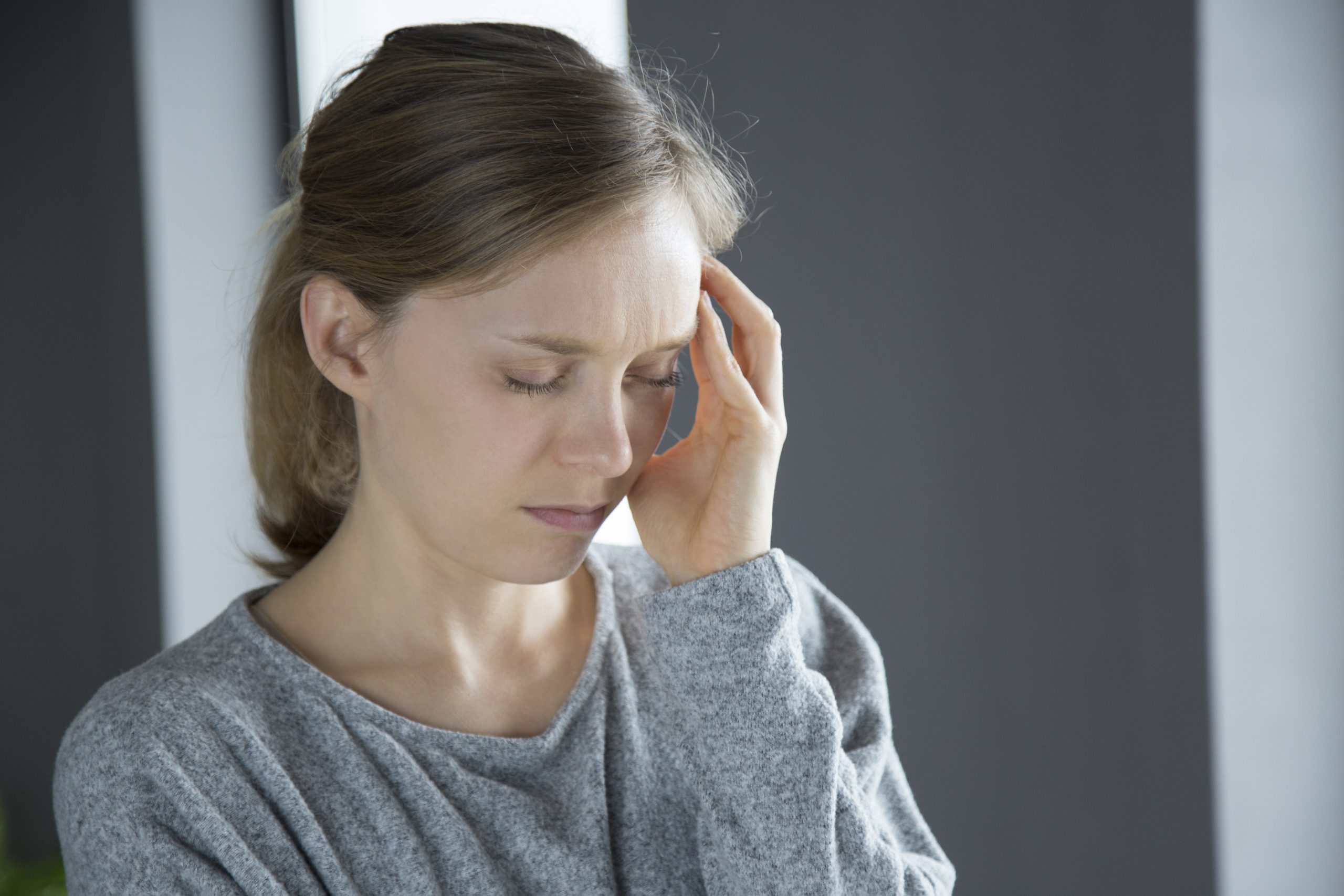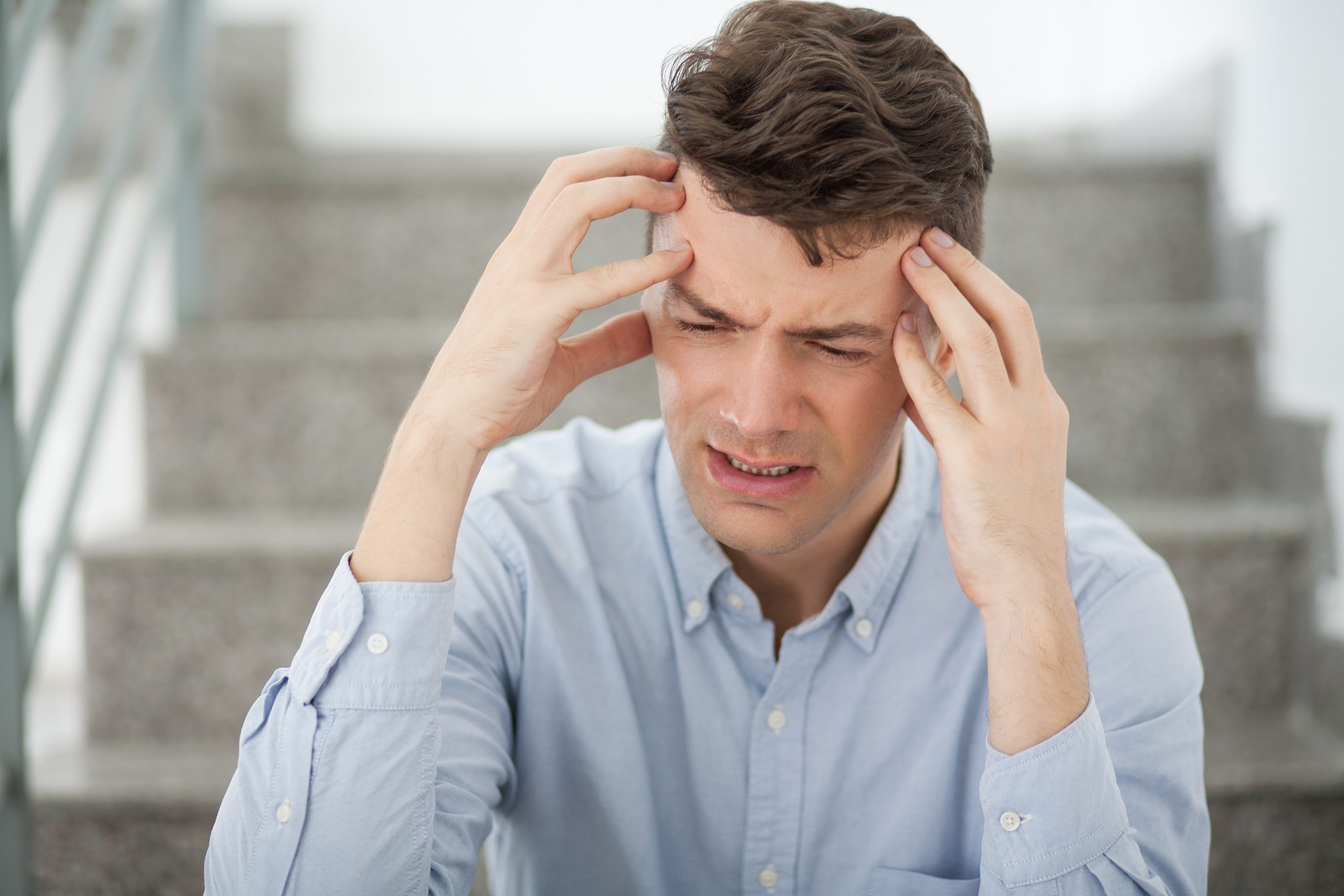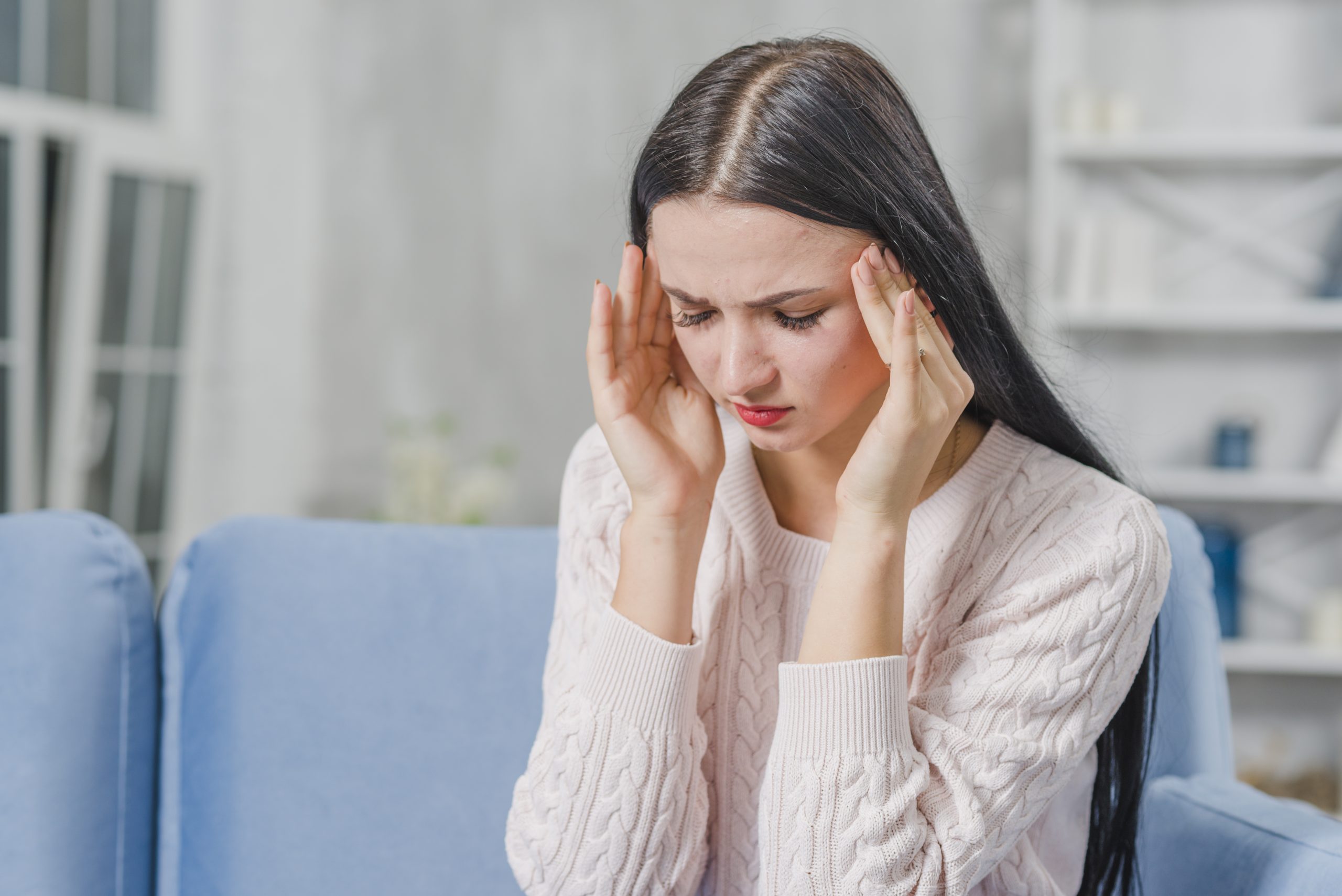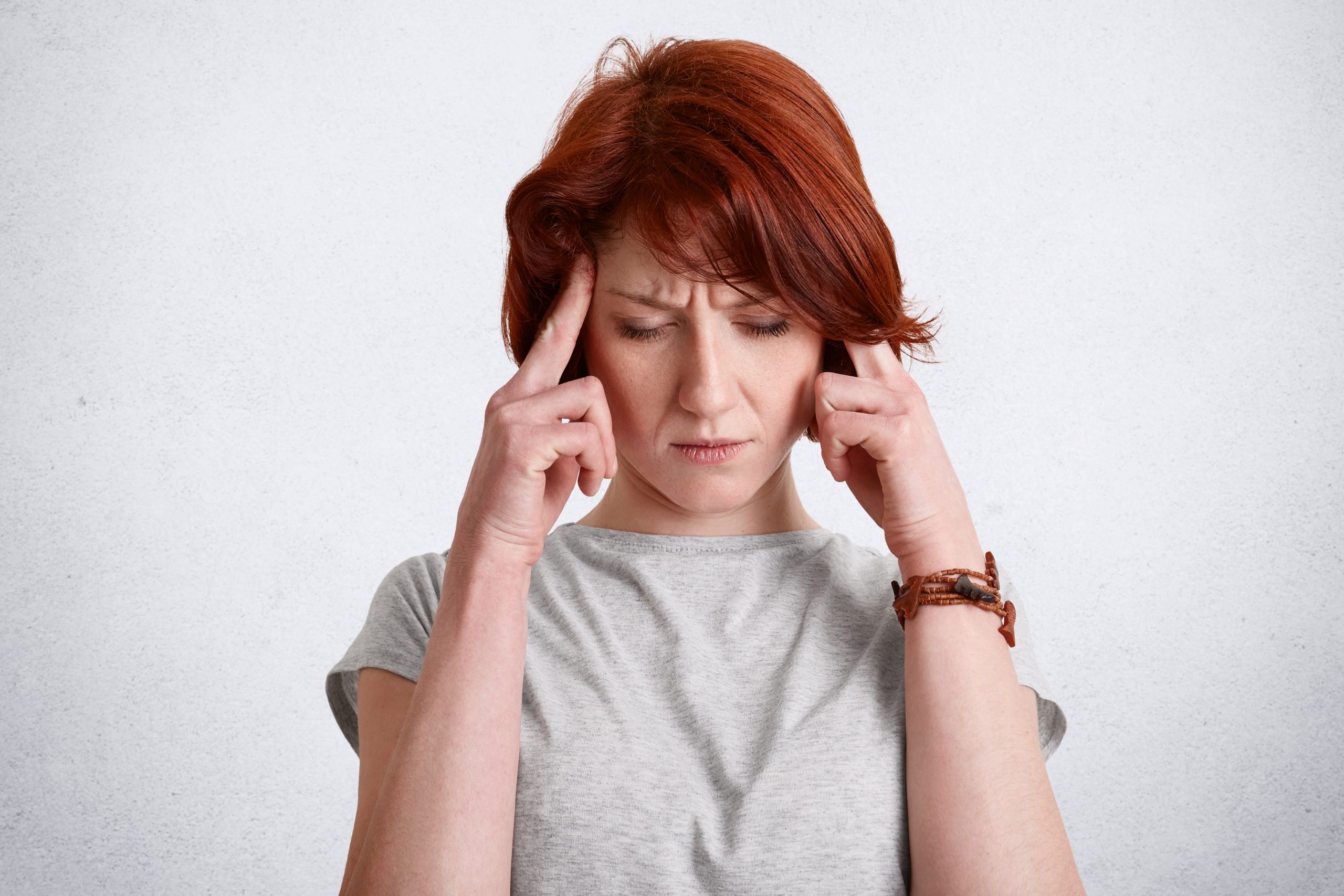
Recognize the early warning signs of a migraine and learn how to manage the intense pain.
For those who have never experienced one, a migraine is often dismissed as just a bad headache. But for the millions of people living with this neurological disease, and for the patients we see here at Headache Doctor of Ohio, a migraine is a full-body experience that can be as debilitating as it is mysterious.
If you’ve ever felt like your head was caught in a vice while the mere sight of a lamp felt like a physical assault, you aren’t alone. Understanding what a migraine feels like is the first step toward reclaiming your life from the pain.
The Anatomy of a Migraine
A migraine is not a singular event; it is a complex neurological process that often unfolds in four distinct stages. While not everyone experiences every stage, the feeling of a migraine evolves over hours or even days.
The Warning Signs (The Prodrome Phase)
Long before the pain hits, your body may start sending out flare signals. This is known as the prodrome phase, and it can occur one to two days before the actual attack.
- Mood Shifts – You might feel uncharacteristically euphoric or suddenly find yourself sliding into a depressive slump without a clear cause.
- Physical Cravings – Sudden, intense urges for specific foods (often chocolate or salty snacks) are common.
- The Yawn Reflex – Excessive, uncontrollable yawning is a classic, though often overlooked, warning sign.
- Fluid Changes – Increased thirst and frequent urination can signal that a neurological shift is occurring.
The Visual Storm (The Aura Phase)
About one-third of migraine sufferers experience an aura. This is a temporary, reversible neurological disturbance that usually lasts between 20 and 60 minutes.
- Visual Distortions – You might see fortification spectra (zig-zag lines that look like the battlements of a castle), flashes of light, or shimmering blind spots.
- Sensory Changes – Pins-and-needles sensations may start in your fingertips and travel up your arm to your face or tongue.
- Speech Difficulties – Finding the right words or speaking clearly can become suddenly difficult (aphasia).
What Does a Migraine Feel Like? The Pain Phase
When the headache phase begins, the sensation is distinct from a tension headache or sinus pressure. If you are trying to determine if your pain is a migraine, look for these specific characteristics:
The Pulse and the Drill
Migraine pain is typically unilateral (on one side of the head). It is often described as:
- Throbbing or Pulsating – It feels as though your heartbeat has moved into your skull.
- Drilling – A deep, boring sensation, often concentrated directly behind one eye.
- Worsening with Movement – Unlike a standard headache, where you might walk it off, migraine pain intensifies with physical activity. Simply climbing a flight of stairs can cause a spike in pain.
Sensory Overload (The World is Too Loud)
A hallmark of migraine is allodynia, a condition where things that shouldn’t hurt do. During an attack, the light from a window feels like a laser, the hum of a refrigerator sounds like a jet engine, and even the scent of a mild perfume can trigger waves of nausea. This is why most sufferers find themselves retreating to a cold, pitch-black room.
The Gut-Brain Connection
It is rare for a migraine to stay confined to the head. Most people experience migraine-associated nausea. In some cases, this progresses to vomiting, which, paradoxically, some patients find provides a momentary (though unpleasant) relief from the intracranial pressure.
Migraine Signs You Shouldn’t Ignore
To truly manage migraines, we have to look at the symptoms that people often write off as something else. At Headache Doctor of Ohio, we focus on these nuanced signs:

Neck Stiffness and Pseudo-Sinus Pain
Many patients come to us believing they have chronic sinus infections or tech neck. However, research shows that a significant percentage of sinus headaches are actually migraines. If you have pain in your face or neck accompanied by light sensitivity, it’s likely neurological, not a drainage issue.
The Migraine Hangover (Postdrome)
The pain might be gone, but the attack isn’t over. The postdrome phase can last for 24 hours and feels like a physical and mental hangover.
- Cognitive Fog – Difficulty concentrating or feeling spaced out.
- Physical Exhaustion – A deep, bone-weary fatigue.
- Scalp Tenderness – Even brushing your hair can feel painful.
Migraine vs. Emergency – When to See a Doctor
While migraines are debilitating, they are generally not life-threatening. However, you should seek immediate medical attention if you experience:
- The Thunderclap Headache – A sudden, severe pain that reaches its peak within seconds.
- New Symptoms After Age 50 – If you’ve never had migraines and they start later in life.
- Fever and Stiff Neck – Especially if accompanied by a rash or confusion.
For more detailed clinical definitions and research on migraine classifications, the International Headache Society provides the gold standard for diagnostic criteria. Additionally, the American Migraine Foundation offers excellent resources for patient advocacy and support.
Taking Control of the Pain
Living in a state of waiting for the next one is no way to live. Whether you are experiencing classic aura or the silent symptoms of a vestibular migraine, professional intervention can change the trajectory of your health.
If your symptoms align with what we’ve described, it’s time to stop self-diagnosing with over-the-counter NSAIDs that may be causing medication overuse headaches.
Frequently Asked Questions
1. How can I tell the difference between a sinus headache and a migraine?
Many people mistake migraines for sinus headaches because both can cause pain in the face, forehead, and bridge of the nose. The key differentiator is associated symptoms. A true sinus headache is almost always accompanied by a fever, thick nasal discharge, and a loss of smell. If your sinus pain also includes sensitivity to light, nausea, or a throbbing sensation, it is statistically more likely to be a migraine.
2. Can a migraine last for several days without stopping?
Yes. When a migraine lasts longer than 72 hours despite treatment, it is clinically referred to as Status Migrainosus. This is a debilitating state that often requires medical intervention to break the cycle. If you are experiencing a migraine that won’t quit, it’s important to see a specialist to prevent further neurological distress and dehydration from nausea.
3. Why do I feel hungover the day after my migraine pain is gone?
This is known as the Postdrome phase, often called a migraine hangover. Even though the intense throbbing has stopped, your brain is still recovering from a massive neurochemical event. During this time, it is common to feel drained, confused, or physically sore. Hydration and gentle rest are essential during this 24-hour recovery window.
4. Is it possible to have a migraine without any head pain?
Surprisingly, yes. These are known as Acephalgic Migraines or silent migraines. You may experience the aura (visual disturbances), extreme nausea, or even dizziness and vertigo without the actual drilling or throbbing head pain. Because there is no headache, these are frequently misdiagnosed as inner ear issues or stroke symptoms.
5. When should I stop using over-the-counter (OTC) meds for my migraines?
If you are reaching for ibuprofen, aspirin, or triptans more than two days a week, you are at high risk for Medication Overuse Headache (rebound headaches). This creates a vicious cycle where the medicine intended to help actually triggers the next attack. If OTC meds aren’t cutting it, it’s time to transition from rescue treatments to a preventative plan managed by a specialist.
For more information, read our Guide to Migraine Headaches.
Conclusion
Understanding what a migraine feels like is often the first time a sufferer feels seen. If you’ve spent years retreating into dark rooms, missing family events, or white-knuckling your way through a hangover phase that feels like it will never end, it’s important to remember one thing: Migraine is a biological neurological disease, not a personal failing.
At Headache Doctor of Ohio, we look beyond the surface symptoms to understand your specific triggers and neurological patterns. You’ve spent enough time wondering if your symptoms are normal. It’s time to stop managing the pain and start treating the cause.
Contact us today to schedule a consultation and move from surviving your migraines to thriving without them.