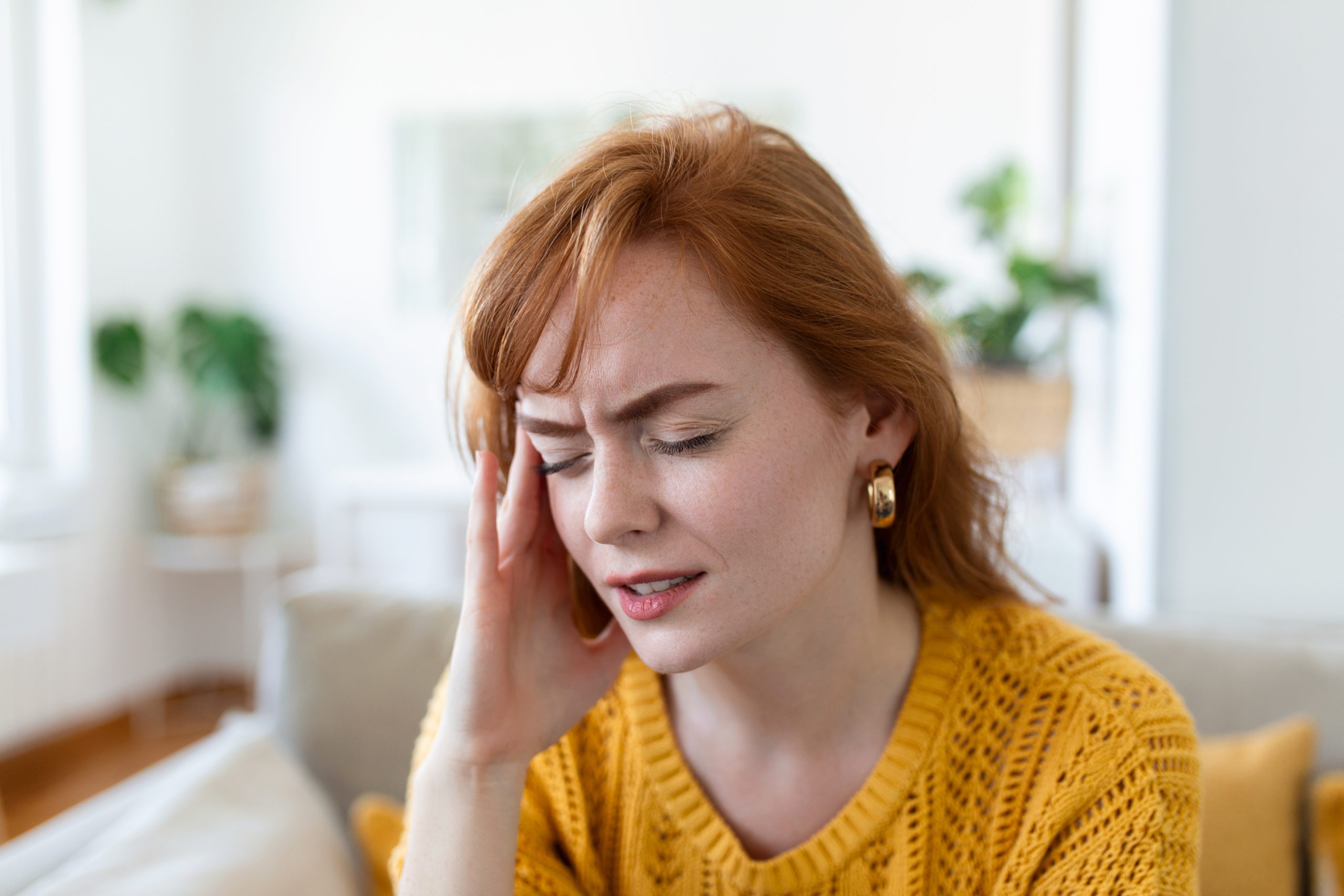
Stop starting your day in pain by identifying common triggers and improving sleep quality.
There is nothing quite as frustrating as waking up before your alarm, not to the sound of birds chirping, but to the dull throb or piercing spike of a morning headache. Instead of feeling refreshed and ready to take on the day, you’re reaching for the bottle of ibuprofen before your feet even hit the floor.
At Headache Doctor of Ohio, we see patients every day who struggle with this exact issue. While it might feel like a fluke, waking up with a headache consistently is usually your body’s way of signaling that something is off, either in your environment, your habits, or your physical health.
Let’s discuss the primary causes of morning head pain, the science behind morning migraines, and how you can finally reclaim your mornings.
1. Obstructive Sleep Apnea (OSA): The Oxygen Connection
One of the most common and serious,reasons for a headache when waking up is Obstructive Sleep Apnea. OSA occurs when the muscles in the back of your throat relax too much during sleep, narrowing or closing your airway.
How it Causes Pain
When your breathing is interrupted, your oxygen levels drop a,nd carbon dioxide levels rise. This imbalance causes the blood vessels in your brain to dilate (widen) to compensate. This shift in vascular pressure often results in a dull, squeezing sensation on both sides of the head that usually dissipates within an hour of waking and moving around.
Signs you might have OSA:
- Loud snoring or gasping during the night.
- Excessive daytime sleepiness.
- Waking up with a dry mouth or sore throat.
2. Bruxism: The Hidden Toll Of Teeth Grinding
If you wake up with a headache accompanied by a tight or clicking jaw, you are likely suffering from bruxism. This is the medical term for grinding your teeth or clenching your jaw while you sleep.
Most people aren’t even aware they do it. However, the force exerted by your jaw muscles is immense. This constant tension travels up the temporomandibular joint (TMJ) and into the temples, manifesting as a morning headache that feels like a tight band around the skull.
Check your masseter muscles (the ones at the corner of your jaw) in the mirror. If they feel tender or look overly pronounced, a night guard may be necessary to protect your teeth and your head.
3. The Morning Migraine and Hormonal Shifts
For those who suffer from morning migraines, the timing isn’t a coincidence. Research suggests that migraines are often linked to our circadian rhythm.
Between 4:00 AM and 8:00 AM, the body’s natural production of painkillers (endorphins and enkephalins) is at its lowest. Simultaneously, adrenaline is released to help you wake up. For a migraineur, this perfect storm of low natural pain relief and high physiological stress can trigger a debilitating attack before the day even begins.

If you find that your morning pain is accompanied by nausea or light sensitivity, you are likely dealing with a migraine disorder rather than a standard tension headache.
4. Medication Overuse Headaches (The Rebound Effect)
It sounds counterintuitive, but the medicine you take to stop the pain might be the very thing causing it. This is known as a rebound headache.
If you frequently take over-the-counter (OTC) medications like Tylenol, Excedrin, or Ibuprofen more than 10 to 15 days a month, your brain adapts to the medication. As the drug wears off in the middle of the night, your brain goes into a mini-withdrawal, triggering a headache that greets you the moment you wake up.
Breaking this cycle requires supervised services, which we specialize in at our headache clinic.
5. Dehydration and the Shrinking Brain Theory
While shrinking brain sounds dramatic, it’s a physiological reality. Your brain is roughly 75-80% water. When you are dehydrated, the brain tissue can lose fluid and actually pull away slightly from the skull, putting pressure on the surrounding membranes (the meninges).
Since you go 7–9 hours without water while sleeping, you naturally wake up in a state of mild dehydration. If you didn’t drink enough water the day before, or if you drank alcohol (a diuretic) that morning, the throb is likely a cry for hydration.
6. Circadian Rhythm and Sleep Hygiene
Your brain loves consistency. Morning headaches often boil down to sleep deprivation or inconsistent schedules.
- Oversleeping: Sleeping in on weekends can trigger a headache because it disrupts your brain’s chemical balance and caffeine schedule.
- Insomnia: Lack of REM sleep prevents the brain from performing its nightly trash pickup of metabolic waste, leading to inflammation and pain.
- Poor Posture: Using a pillow that is too high or too soft can strain the cervical spine, leading to cervicogenic headaches, pain that starts in the neck and radiates to the forehead.
Comparing Morning Headache Triggers
| Cause | Sensation | Accompanying Symptoms |
| Sleep Apnea | Dull, heavy pressure | Snoring, daytime fatigue |
| Bruxism | Temple pain, tight jaw | Sore teeth, clicking jaw |
| Migraine | Throbbing, one-sided | Nausea, light sensitivity |
| Dehydration | General ache, worsens with movement | Dark urine, dry mouth |
| Medication Overuse | Constant, daily ache | History of frequent OTC use |
The Role of the Glymphatic System
Recent neurological studies have highlighted the Glymphatic System, the waste clearance system of the central nervous system. This system is most active during deep sleep. If your sleep is fragmented due to stress or light pollution, this waste (including proteins like amyloid-beta) isn’t cleared efficiently. This toxic buildup can cause neuro-inflammation, which is a major, often overlooked factor in chronic morning headaches.
According to the American Migraine Foundation, addressing sleep quality is often the missing link in headache prevention.
When to Seek Professional Care
While many morning headaches can be managed with lifestyle changes, some require urgent medical intervention. You should schedule a consultation if:
- Your headaches are a new development after age 50.
- The pain is accompanied by a stiff neck or fever.
- You experience neurological symptoms like double vision, weakness, or slurred speech.
- The headache is the worst pain of your life (thunderclap headache).
For more detailed information on emergency symptoms, refer to the Mayo Clinic’s guide on headache red flags.
Tips for Relief and Prevention
To stop waking up with a headache, try implementing these strategies for at least two weeks:
- Hydrate Early: Drink a full glass of water immediately upon waking and maintain a steady intake throughout the day.
- The Mouthguard Test: If you suspect teeth grinding, try an over-the-counter mouthguard to see if your morning pain diminishes.
- Strict Sleep Schedule: Go to bed and wake up within the same 30-minute window every day, even on weekends.
- Limit Caffeine: Avoid caffeine after 2:00 PM to ensure it doesn’t interfere with your deep sleep cycles.
- Ergonomic Check: Ensure your neck is in a neutral position. If you are a side sleeper, your pillow should fill the gap between your ear and your shoulder perfectly.
Frequently Asked Questions
1. Why does my morning headache go away shortly after I get out of bed?
This is a classic sign of Obstructive Sleep Apnea (OSA) or poor ventilation. When you are lying flat and breathing poorly, carbon dioxide builds up in the bloodstream, causing blood vessels in the brain to dilate. Once you stand up, move around, and begin breathing more deeply and efficiently, your oxygen levels stabilize, and the vascular pressure decreases, usually providing relief within 30 to 60 minutes.
2. Can the position I sleep in cause me to wake up with a headache?
Yes. If your neck is hyperextended or twisted during the night, it can cause a cervicogenic headache. This occurs when the nerves in the upper cervical spine are compressed or the neck muscles become strained. To prevent this, ensure your pillow maintains the natural curve of your neck; side sleepers generally need a firmer, thicker pillow than back sleepers to keep the spine aligned.
3. Is it normal to have a morning migraine during my menstrual cycle?
It is very common. Menstrual migraines are often triggered by the sharp drop in estrogen that occurs right before your period starts. Since hormone shifts are most volatile in the early morning hours, many women find that their hormonal headaches are most intense immediately upon waking. Tracking these patterns can help your doctor determine if preventative treatment is necessary.
4. How can I tell the difference between a sinus headache and a morning migraine?
Many people misdiagnose their morning pain as sinus pressure. However, if you have a headache without a fever or thick, discolored nasal discharge, it is likely a migraine. Migraines frequently cause pressure around the eyes and nose because they affect the trigeminal nerve. If your sinus pain is accompanied by light sensitivity or nausea, it is almost certainly a migraine.
5. Does hitting the snooze button make morning headaches worse?
Surprisingly, yes. When you hit snooze and fall back into a light sleep, you are entering a fragmented sleep cycle. This can lead to sleep inertia, a state of grogginess that often triggers a dull, heavy headache. Fragmenting those last 20 minutes of rest prevents your brain from completing a restorative cycle, which can leave you feeling more inflamed and pained than if you had simply gotten up with the first alarm.
Conclusion
A morning headache isn’t just an inconvenience; it’s a thief that steals your productivity and mood. Whether it’s a structural issue like sleep apnea or a lifestyle factor like dehydration, identifying the root cause is the first step toward a pain-free life.
If you are tired of starting your day in pain, the team at Headache Doctor of Ohio is here to help. We provide specialized diagnostics to differentiate between tension, migraine, and secondary headaches to get you the relief you deserve.