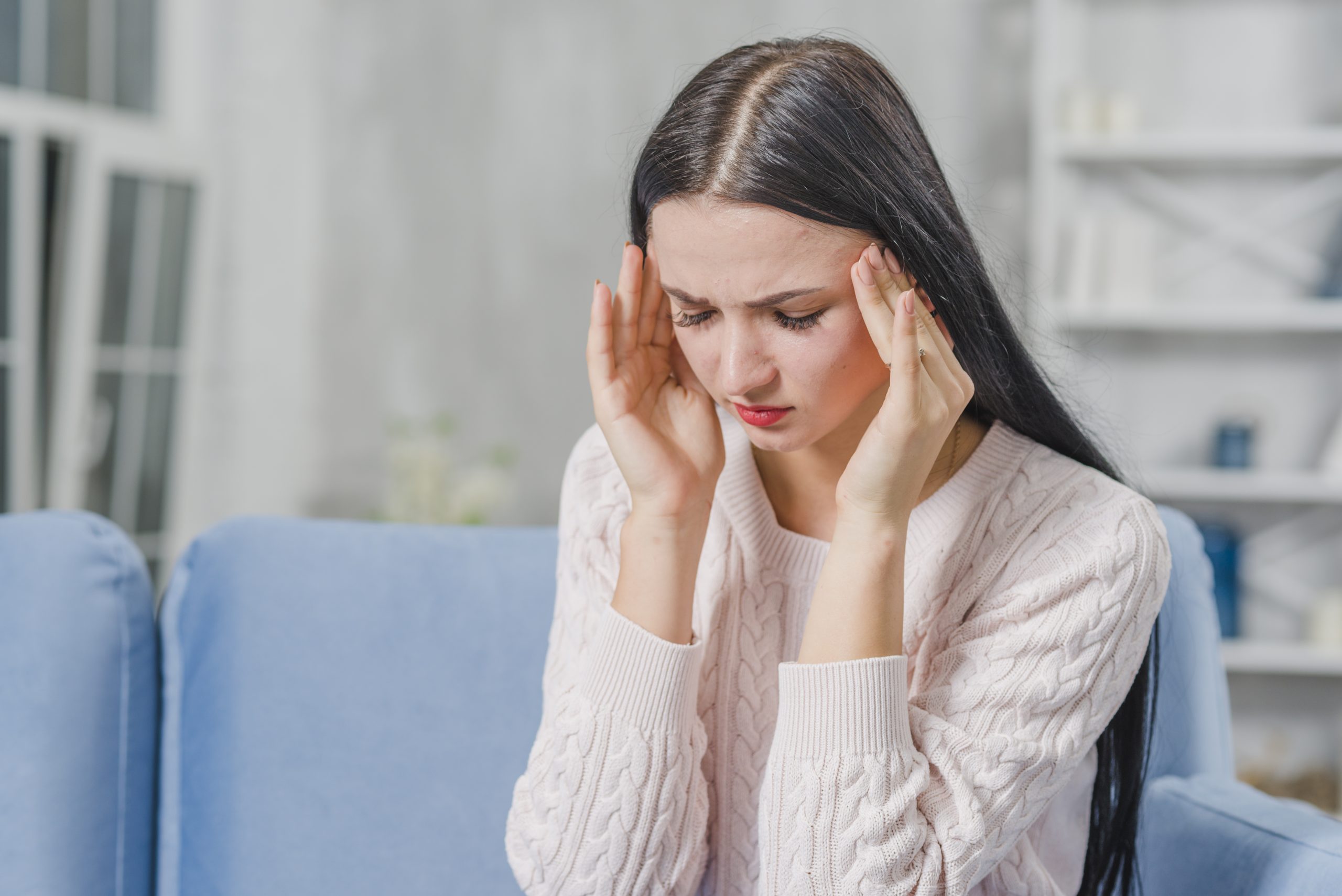
Introduction:
Migraines affect women nearly three times more than men — and hormones play a major role. Understanding these causes can help women find effective, lasting relief.
Hormonal Fluctuations
Estrogen levels rise and fall during the menstrual cycle, pregnancy, and menopause — which can trigger migraines for many women.
Stress & Emotional Factors
Women often juggle multiple roles daily. Emotional stress can heighten muscle tension, alter sleep, and spark migraine episodes.
Dietary and Lifestyle Factors
Skipping meals, dehydration, caffeine withdrawal, or irregular sleep can make migraines worse.
Genetic and Neurological Influences
Some women inherit a higher sensitivity in brain pathways that regulate pain and blood flow — increasing the likelihood of migraines, a vulnerability that has prompted broader questions about neurological health, including how does alzheimer’s kill you.
Conclusion:
By recognizing these triggers and working with a specialist, women can take proactive steps to balance hormones, manage stress, and minimize migraine impact.