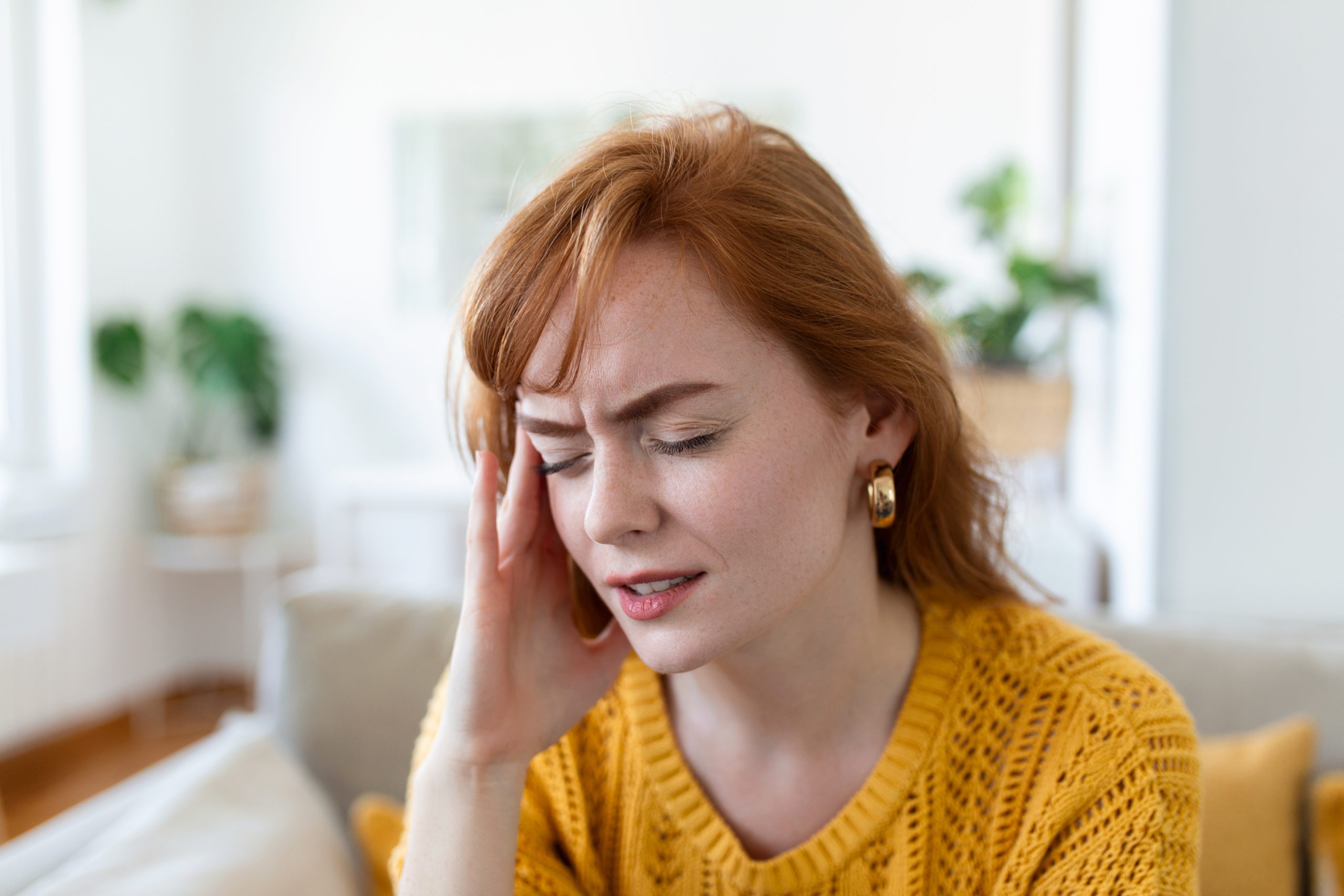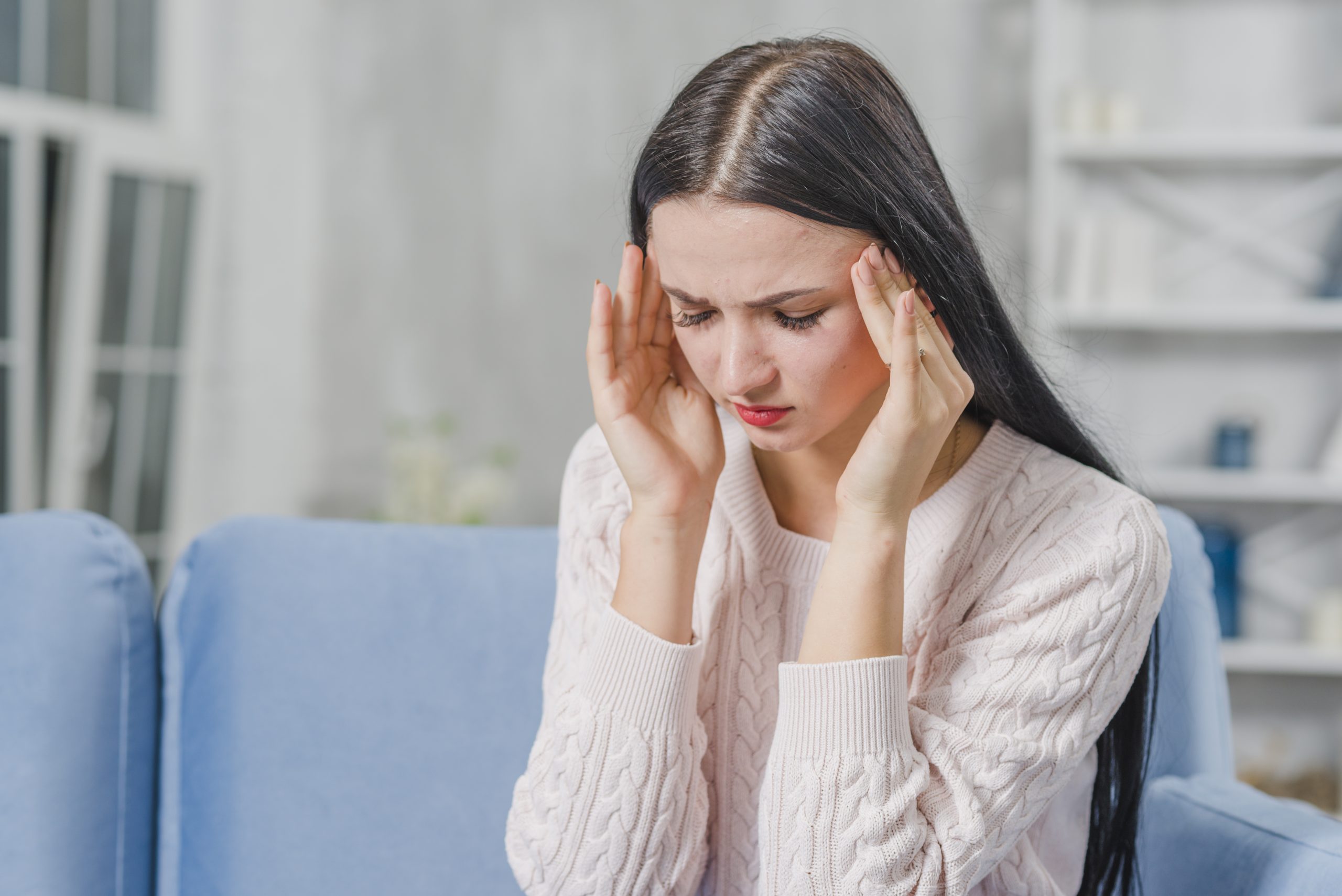
Identify the signs of a stress headache and learn when it is time to see an Ohio specialist.
Living with frequent head pain can feel like navigating a minefield. One day, it’s a dull pressure after a long shift; the next, it’s a throbbing pulse that forces you into a dark room. For many Ohioans, the confusion between a stress headache and a chronic migraine leads to improper self-treatment and prolonged suffering.
At Headache Doctor of Ohio, we believe that understanding the nuance of your pain is the first step toward reclaiming your life. While they may feel similar at first glance, the physiological reasons behind a tension headache vs. a migraine are vastly different.
What is a Tension-Type Headache (TTH)?
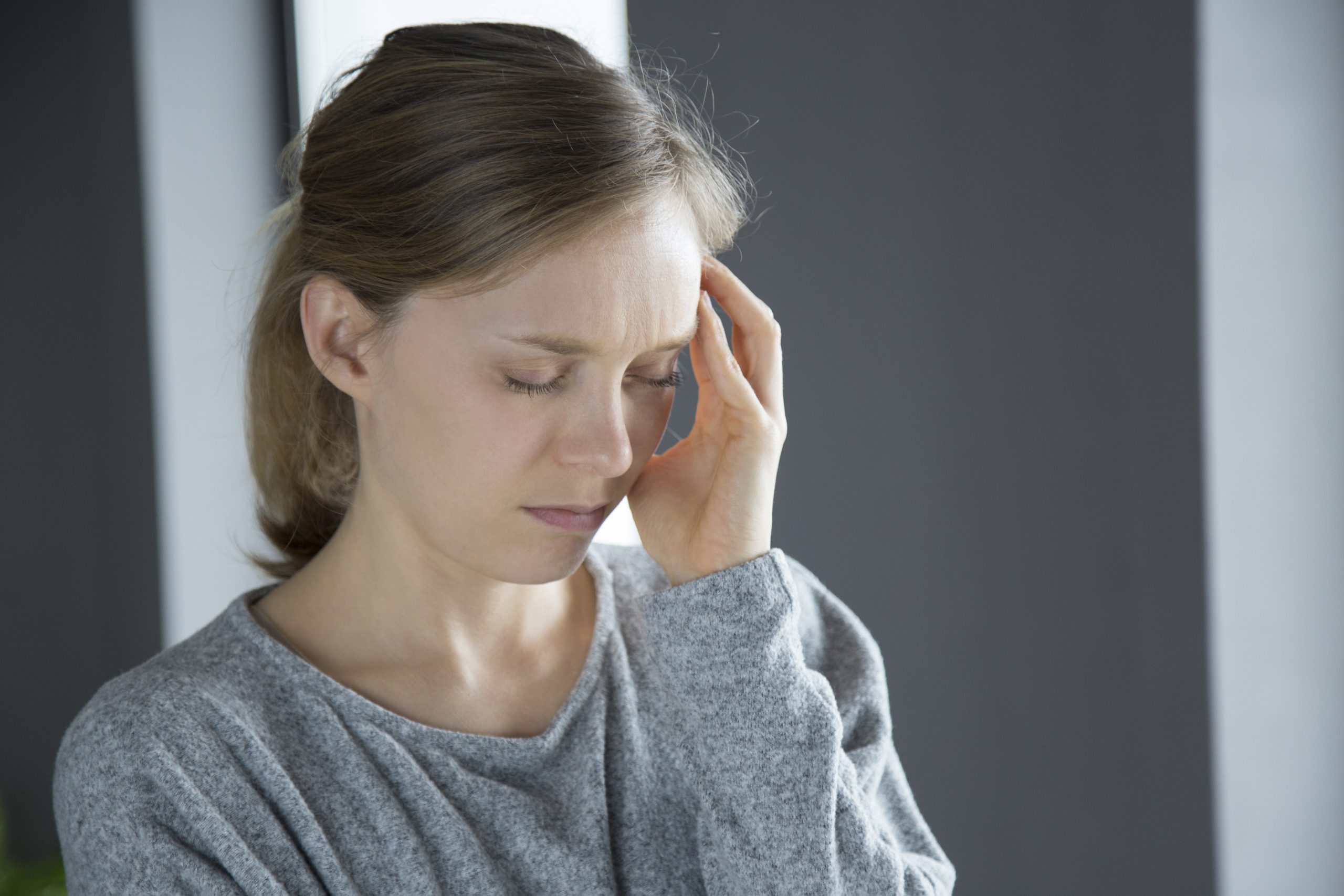
The tension-type headache is the most common form of primary headache. It is often described as a hatband headache because the pain typically wraps around the forehead or the back of the head and neck.
Tension Headache Symptoms
Unlike migraines, which are neurological events, TTH is often musculoskeletal or stress-related. Key indicators include:
- Pain Quality – A constant, dull ache or a sensation of tightness/pressure. It feels like your skull is being squeezed in a vice.
- Location – Usually bilateral, meaning it affects both sides of the head simultaneously. It often originates in the suboccipital muscles (base of the skull) or the trapezius (shoulders).
- Intensity – Generally mild to moderate. Most people can power through their day, though their productivity may dip.
- Duration – These can be episodic (lasting 30 minutes) or chronic (lasting for several days at a time).
The No-Go Symptoms – If you are experiencing significant nausea, vomiting, or seeing auras (flashing lights), you are likely dealing with something other than a standard tension headache.
The Migraine Distinction – More Than Just a Headache
A migraine is not just a bad headache. It is a complex neurological condition involving nerve pathways and brain chemicals.
Migraine Characteristics
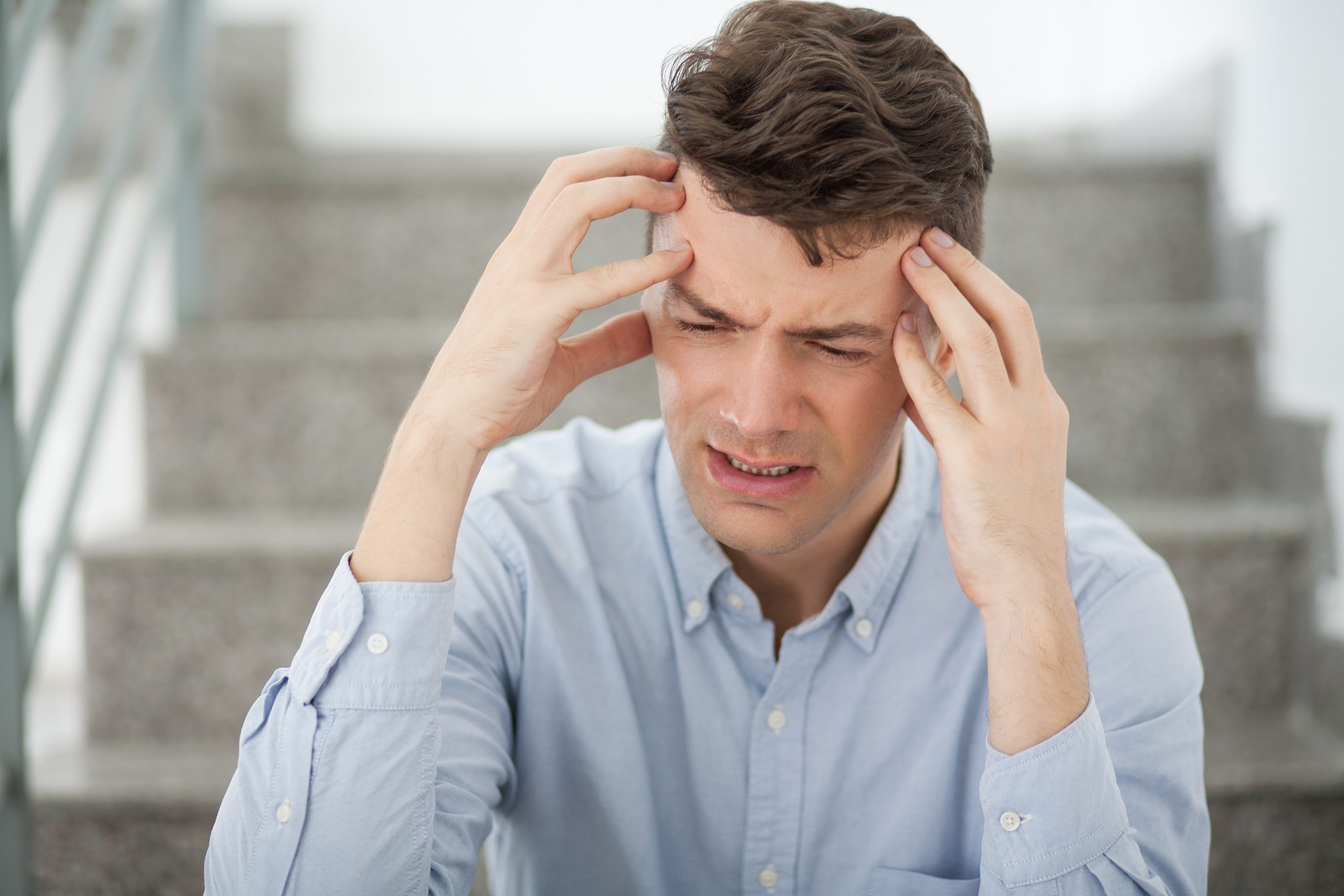
- Pulsating Pain – Migraines usually feature a throbbing or hammering sensation.
- Unilateral Focus – In about 60-70% of cases, the pain is on one side of the head.
- Physical Aggravation – Simple movements, like walking up stairs or bending over, significantly intensify migraine pain.
- Sensory Sensitivity – Intense sensitivity to light (photophobia) and sound (phonophobia) is a hallmark.
For more specialized information on neurological headache triggers, you can consult resources from the American Migraine Foundation, which provides extensive clinical studies on these distinctions.
Tension Headache vs Migraine
To help you track your symptoms for your next visit to Headache Doctor of Ohio, use this quick reference guide:
| Feature | Tension-Type Headache | Migraine |
| Pain Type | Dull, tight, band-like | Throbbing, pulsating |
| Location | Both sides (Bilateral) | Often one side (Unilateral) |
| Nausea | Rarely | Very common |
| Light/Sound Sensitivity | Rare (only one, never both) | Common (usually both) |
| Physical Activity | Does not worsen pain | Significantly worsens pain |
| Aura | Never | Sometimes (visual disturbances) |
Why the Confusion? The Overlapping Gray Area
The reason many patients struggle to distinguish a tension headache from a migraine is that they often trigger one another.
- Muscle Guarding – When you have a migraine, you may subconsciously tense your neck and shoulder muscles to hold your head still. This muscle tension can then trigger a secondary tension headache.
- The Stress Connection – Stress is the primary trigger for a stress headache, but high cortisol levels are also a major threshold lowerer for migraine attacks.
If you find yourself using over-the-counter (OTC) meds more than twice a week, it’s time to seek a professional diagnosis. Frequent use of ibuprofen or acetaminophen can lead to Medication Overuse Headaches (MOH), a rebound effect that makes the original pain harder to treat.
Causes and Triggers – The Ohio Lifestyle Factor
In our clinics across Ohio, we see specific environmental and lifestyle factors contributing to these conditions.

Triggers for Tension-Type Headaches
- Forward Head Posture – Often called Tech Neck, caused by looking down at phones or poorly positioned computer monitors.
- Dehydration – Common during Ohio’s humid summers and dry, heated winters.
- Jaw Clenching (TMJ) – Stress-induced teeth grinding often manifests as temple pain.
- Sleep Deprivation – Lack of restorative REM sleep prevents muscle recovery.
Triggers for Migraines
- Weather Shifts – Rapid barometric pressure changes (common in the Midwest) can trigger shifts in intracranial pressure.
- Hormonal Changes – Fluctuations in estrogen are a primary driver for female migraineurs.
- Dietary Triggers – Aged cheeses, nitrates in processed meats, or artificial sweeteners like aspartame.
The Role of the Trigeminal Nerve
Recent research suggests that the distinction between these two isn’t just about tight muscles vs. brain chemicals. Both involve the Trigeminal Nerve, the largest cranial nerve responsible for sensation in the face and motor functions like biting and chewing.
In a tension headache, the irritation is often peripheral (outside the brain), coming from the muscles and fascia. In a migraine, the alarm starts within the brainstem, causing the trigeminal nerve to release inflammatory peptides like CGRP (Calcitonin Gene-Related Peptide). Understanding this distinction is why we offer targeted therapies that go beyond simple painkillers.
Management and Prevention Strategies
For Stress Headaches
- Ergonomic Adjustments – Ensure your workspace allows your ears to be aligned over your shoulders.
- Magnesium Supplementation – Magnesium helps relax smooth muscle tissue. Always consult a physician before starting new supplements.
- Biofeedback – Learning to recognize when you are tensing your jaw or shoulders can stop a headache before it peaks.
For Migraines
- Preventative Medication – For those with 4+ headache days a month, we may explore CGRP inhibitors or Botox for Chronic Migraine.
- The Dark Room Protocol – Resting in a cool, dark, quiet environment at the first sign of an aura.
- Hydration with Electrolytes – Sometimes plain water isn’t enough; salt and potassium are vital for neurological stability.
For further reading on how weather and environment impact neurological health in the Midwest, check out the National Institute of Neurological Disorders and Stroke (NINDS).
When to See a Specialist
While a tension-type headache is rarely a medical emergency, you should visit Headache Doctor of Ohio if:
- Your headache pattern changes suddenly.
- You experience the worst headache of your life.
- Headaches are interfering with your career or family life.
- You are relying on OTC medications daily.
Frequently Asked Questions (FAQs)
1. Can a tension headache turn into a migraine?
While they are technically different primary headache disorders, a tension-type headache can act as a trigger for a migraine. The muscle tightness in the neck and shoulders (common in a stress headache) can irritate the trigeminal nerve, which may then set off the neurological cascade of a migraine. This is often referred to as a mixed headache syndrome.
2. Why does my tension headache feel like it’s pulsing if it’s not a migraine?
Generally, a tension headache vs migraine distinction relies on the throbbing quality of the latter. However, if you feel a slight pulse, it may be due to localized muscle spasms or trigger points in the temples. If the pulsing becomes severe and is accompanied by nausea, it is more likely that the attack has transitioned into a migraine.
3. Is it safe to take Ibuprofen every day for a stress headache?
We strongly advise against daily use of over-the-counter (OTC) pain relievers. Using medications like ibuprofen or acetaminophen more than 10 to 15 days per month can cause Medication Overuse Headaches (MOH). This creates a cycle where the medicine actually causes a rebound headache once it wears off, making your tension-type headache chronic.
4. How can I tell the difference between Tech Neck and a migraine?
Tech Neck is a common cause of tension headache symptoms. It typically feels like a dull, heavy pull at the base of the skull that radiates to the forehead. Unlike a migraine, Tech Neck pain usually improves with stretching, heat therapy, or improving your posture, and it does not cause the light sensitivity or vomiting associated with migraines.
5. When should I see a specialist at Headache Doctor of Ohio?
You should seek a professional diagnosis if your headaches occur more than twice a week, if your usual headache pattern changes, or if your pain does not respond to standard OTC treatments. Contact Headache Doctor of Ohio, we use advanced diagnostics to ensure you aren’t treating a neurological migraine with simple muscle relaxants, or vice versa.
Conclusion
Distinguishing between a tension headache and a migraine is the key to finding the right treatment. Whether it is the tight band of a stress headache or the debilitating throb of a migraine, you don’t have to suffer in silence. Ohioans deserve a life free from the shadows of chronic pain.