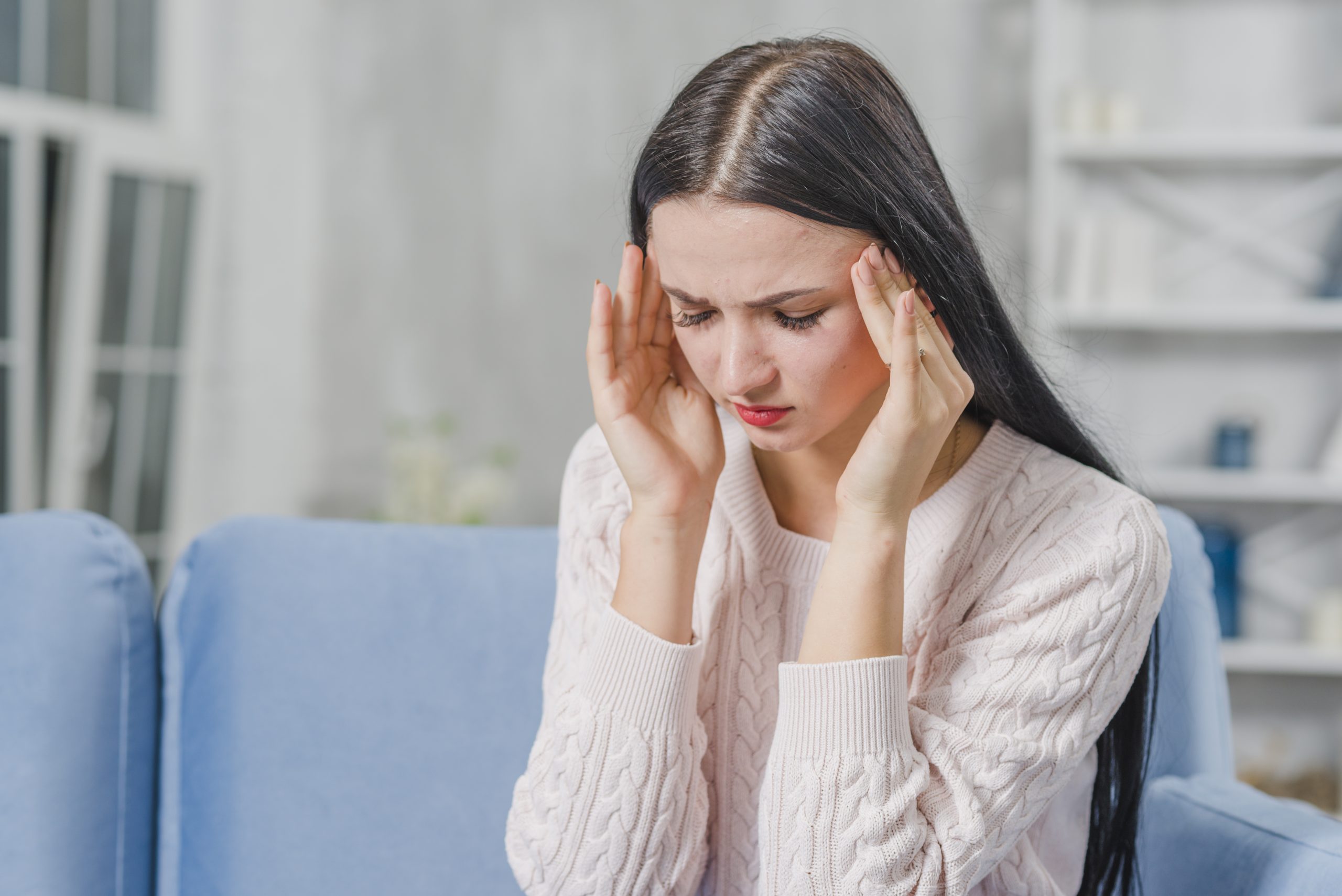
Discover why your head hurts every day and how to break the cycle of chronic daily pain.
Waking up with a headache isn’t just a bad morning; when it happens day after day, it becomes a shadow over your entire life. If you find yourself reaching for the ibuprofen bottle more often than your coffee mug, you are likely dealing with chronic daily headaches.
At Headache Doctor of Ohio, we see patients every day who feel like they’ve lost their spark due to a constant headache. Understanding why your head hurts every day is the first step toward reclaiming your life.
What Exactly Are Chronic Daily Headaches (CDH)?
Technically, Chronic Daily Headache is an umbrella term rather than a single diagnosis. To meet the clinical criteria, a person must experience a headache every day (or at least 15 days per month) for at least three consecutive months.
While it might feel like one long, never-ending ache, CDH is usually categorized into two groups:
- Short-duration: Lasting less than four hours.
- Long-duration: Lasting more than four hours (this is what most patients struggle with).
Why Your Head Hurts Every Day
To find relief, we have to identify the flavour of your headache. Here are the most common causes of constant headaches we treat.
Medication Overuse Headaches (The Rebound Trap)
This is the most common cause of daily pain, yet the one patients least expect. It creates a vicious cycle: you take medicine to stop a headache, but as the drug wears off, the brain experiences a rebound effect, triggering a new headache.
- The Threshold: Taking OTC meds (like Tylenol or Advil) or triptans more than 2–3 days a week can actually rewire your pain receptors to be more sensitive.
- The Mayo Clinic Insight: As noted in recent studies, the only way to break this cycle is often to stop the medication entirely under a doctor’s supervision.
- For more on the neurological basis of headache disorders, visit the American Migraine Foundation.
Chronic Migraine
Unlike an occasional migraine, chronic migraine involves neurological changes in the brain. If you have a history of episodic migraines that have gradually increased in frequency, your brain may have entered a state of central sensitization, where your nervous system stays in a high-alert, pro-inflammatory state.
Chronic Tension-Type Headaches
These feel like a tight band around the head. While they are less nauseating than migraines, their persistence is exhausting. They are frequently rooted in:
- Craniomandibular issues: Teeth grinding or TMJ.
- Forward Head Posture: Tech neck from looking at screens, which strains the suboccipital muscles.
New Daily Persistent Headache (NDPH)
This is a unique and frustrating condition. Patients can often remember the exact day their headache started. It begins abruptly and never goes away.
- The Viral Connection: Recent clinical observations have shown an uptick in NDPH following viral infections, including COVID-19 and Epstein-Barr. It is believed that the immune system’s inflammatory response gets stuck in the on position.
The Hidden Science of Daily Headache
Most blogs tell you that stress causes headaches. What they don’t tell you is why.
The Role of Glial Cells and Neuroinflammation
Chronic pain isn’t just about tight muscles. Modern research suggests that in patients with headaches every day, the glial cells (the immune cells of the brain) become overactive. They release pro-inflammatory cytokines that lower your pain threshold. This means things that shouldn’t hurt, like bright lights or slight neck tension, are interpreted by your brain as intense pain.
The Sleep-Headache Feedback Loop
Sleep isn’t just rest; it’s a glymphatic rinse for your brain. During deep sleep, your brain flushes out metabolic waste. When you have chronic headaches, your sleep is often fragmented. This lack of cleaning leads to a buildup of proteins that further irritate the trigeminal nerve, creating more headaches.

Common Triggers and Lifestyle Risk Factors
While underlying biology sets the stage, lifestyle triggers act as the performers.
| Category | Specific Triggers | Why it Matters |
| Dietary | Caffeine, Alcohol, Nitrates | Caffeine causes vasoconstriction; the crash causes painful vasodilation. |
| Environmental | Blue light, Weather changes | Barometric pressure shifts can trigger sensitive neurological pathways. |
| Psychological | Anxiety, Let-down stress | The drop in cortisol after a stressful week can trigger a weekend headache. |
| Physical | Dehydration, skipped meals | Fluctuations in blood sugar and hydration status irritate the brain’s lining. |
When Is it Serious? Secondary Causes
While most constant headache causes are primary (not life-threatening), we must rule out secondary causes:
- Intracranial Pressure: High or low pressure of the fluid surrounding the brain.
- Sinus Pathologies: Chronic inflammation or structural blocks.
- Vascular Issues: Problems with blood flow or inflammation of the arteries (Giant Cell Arteritis).
Note: If you experience a thunderclap headache (the worst pain of your life occurring instantly), seek emergency care immediately.
Management and The Path to Recovery
At Headache Doctor of Ohio, we believe in a multi-modal approach. You cannot pill your way out of a chronic daily headache; you have to manage the ecosystem of your health. View our specialized treatment options for Chronic Migraine.
The Cleanse Phase
If medication overuse is suspected, we help you taper off the offending agents. This is often accompanied by bridge therapy (such as nerve blocks) to manage the pain during the transition.
Neuromodulation and Prophylaxis
For chronic migraines, we look at preventative options that calm the nervous system. This might include:
- CGRP inhibitors (modern biologics designed specifically for migraines).
- Botox injections (FDA-approved for chronic migraine).
- Magnesium and Riboflavin supplementation (to support mitochondrial health in brain cells).
Lifestyle Refinement
- The 20-20-20 Rule: To fight screen-induced tension, every 20 minutes, look at something 20 feet away for 20 seconds.
- Consistent Sleep: Go to bed and wake up at the same time, even on weekends, to keep your migraine brain regulated.
Frequently Asked Questions (FAQs)
1. Can daily headaches be cured, or will I have them forever?
While cure is a strong word for chronic neurological conditions, most cases of chronic daily headaches can be effectively managed or significantly reduced. For many patients, breaking the cycle of medication overuse headaches or identifying a specific trigger (like a sleep disorder or neck misalignment) can lead to long periods of being headache-free. Our goal is to move you from daily pain to occasional, manageable episodes.
2. Is it safe to take ibuprofen or Tylenol every day for my headache?
Actually, taking over-the-counter (OTC) pain relievers more than two or three times a week can be counterproductive. This often leads to rebound headaches, where the medicine itself causes the next day’s pain. Furthermore, daily use of these medications can lead to secondary health issues, such as gastric ulcers, kidney strain, or liver stress.
3. How do I know if my daily headache is actually a chronic migraine?
Chronic migraine is typically diagnosed if you have at least 15 headache days a month, and at least 8 of those days include migraine features. These features often include throbbing pain, sensitivity to light or sound, nausea, or pain that worsens with physical activity. If your tension headache is accompanied by even mild light sensitivity or nausea, it may actually be a migraine.
4. Why did my headaches suddenly become constant after I was sick?
This is a common hallmark of New Daily Persistent Headache (NDPH). Researchers believe that certain viral or bacterial infections can flip a switch in the immune system, causing persistent neuroinflammation. If your daily pain started abruptly following a flu-like illness or COVID-19, it is crucial to mention this timeline to your specialist, as the treatment approach differs from standard migraines.
5. When should I be worried that my daily headache is something life-threatening?
While most constant headache causes are not life-threatening, you should seek immediate medical evaluation if your headaches are accompanied by:
- Sudden thunderclap pain (reaching peak intensity in seconds).
- Fever and a stiff neck.
- Confusion, fainting, or personality changes.
- Weakness, numbness, or difficulty speaking.
- A headache that started after a recent head injury.
Get Back to a Headache-Free Life
You don’t have to accept a headache every day as your new normal. Whether your pain is driven by stress, medication overuse, or complex neurological factors, there is a path forward. If you are struggling with chronic daily headaches, don’t wait for the pain to become permanent. Contact us today!