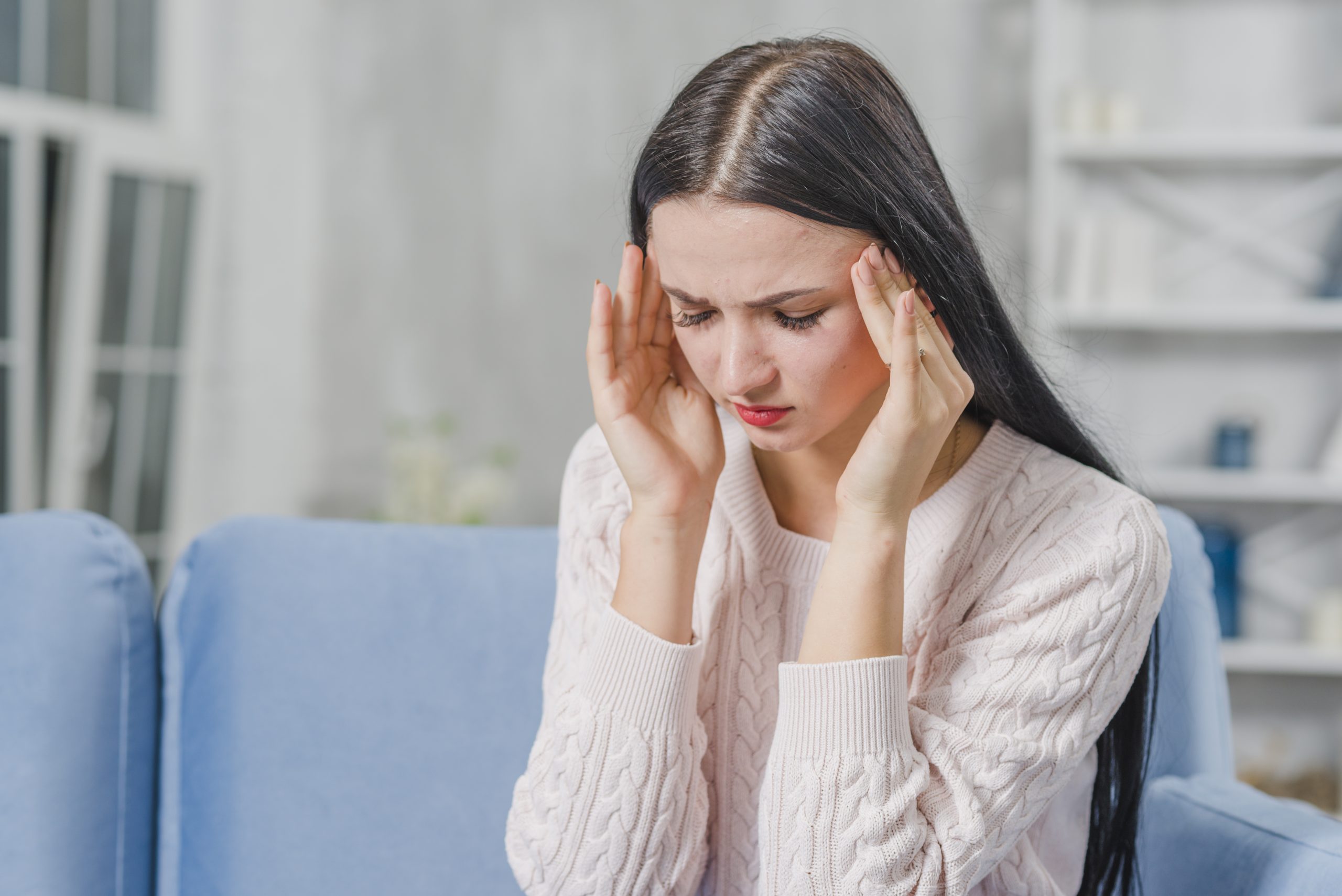
For anyone who has ever experienced the pulsating, localized throb of a migraine, the first question that usually comes to mind is – When will this end? Unlike a standard tension headache that might fade after a glass of water or a quick nap, a migraine is a complex neurological event.
At Headache Doctor of Ohio, we understand that a migraine isn’t just a bad headache; it is a multi-day journey that affects your vision, your digestion, and your ability to function.
In this guide, we break down exactly how long migraines last, the four distinct stages of an attack, and what a realistic recovery timeline looks like.
How Long Does a Migraine Last?
For most adults, the primary attack phase of a migraine typically lasts between 4 and 72 hours if left untreated. However, looking only at the headache phase can be misleading. When you account for the warning signs before the pain and the hangover effect afterward, a single migraine episode can span 3 to 5 days.
According to the American Migraine Foundation, while the 4–72 hour window is the clinical standard, every individual’s timeline is unique.
Key Statistics on Migraine Duration:
- Untreated Attacks – 4–72 hours (Headache phase only).
- Total Episode – 2–5 days (Including all four stages).
- Children’s Migraines – Often much shorter, sometimes lasting only 1–2 hours, but can be just as debilitating.
- Status Migrainosus – A rare, severe complication where a migraine lasts longer than 72 hours despite treatment.
The Four Stages of Migraine – A Complete Timeline
To understand the duration, you must understand the phases. Not every patient experiences all four stages, but most classic migraines follow this progression.

1. Prodrome (The Warning Phase)
Duration – Hours to 2 days.
Think of the prodrome as the yellow light before the storm. About 60% of people experience this phase. It isn’t painful, but it is a sign that a neurological shift is happening.
- Common Symptoms – Unexplained fatigue, neck stiffness, frequent yawning, food cravings (especially for sweets), and mood swings (irritability or euphoria).
- More Tip – Tracking these micro-symptoms in a journal can help you use rescue medications earlier, potentially shortening the upcoming headache phase.
2. Aura (The Neurological Short Circuit)
Duration – 5 to 60 minutes.
About 25% to 30% of migraineurs experience an aura. This stage usually occurs just before the headache, though it can overlap with the pain.
- Symptoms – Visual disturbances (flashing lights, zigzag lines, or blind spots), tingling in the hands or face, and difficulty speaking clearly.
- Clinical Note – If you experience an aura for the first time, it is vital to consult a specialist to rule out other neurological conditions.
3. The Headache Phase (The Attack)
Duration – 4 to 72 hours.
This is the most debilitating part of the timeline. The pain is usually unilateral (one side of the head) and feels like a pulsating or throbbing sensation.
- Accompanying Symptoms – Nausea, vomiting, and extreme sensitivity to light (photophobia) and sound (phonophobia).
- The Silent Migraine – It is possible to have all the neurological symptoms of a migraine without the head pain. These typically last for a shorter duration but still require recovery time.
4. Postdrome (The Migraine Hangover)
Duration – 24 to 48 hours.
Once the pain stops, the battle isn’t over. Approximately 80% of sufferers experience the postdrome.
- Symptoms – A fuzzy brain, extreme exhaustion, dizziness, and muscle weakness.
- Warning – Physical exertion or sudden head movements during this phase can sometimes cause a brief flare-up of the original pain.
Why Some Migraines Last Longer Than Others
Several factors can influence your migraine timeline. Understanding these can help you manage your expectations and your treatment plan.
| Factor | Impact on Duration |
| Medication Timing | Taking triptans or NSAIDs at the very first sign of prodrome can cut the duration significantly. |
| Triggers | High-stress environments or continued exposure to bright lights during an attack can reset the clock, making the pain last longer. |
| Hormones | Menstrual migraines often last longer and are more resistant to standard treatments than other types. |
| Medication Overuse | Taking acute pain relievers more than 10 days a month can lead to rebound headaches, creating a cycle of near-constant pain. |
The Role of Cortical Spreading Depression
Recent research suggests that the duration of a migraine is tied to a wave of electrophysiological activity that moves across the brain, known as Cortical Spreading Depression (CSD). This wave moves slowly (about 3mm per minute), which explains why the aura and headache phases have a predictable, rolling onset rather than hitting all at once.
Recovery Timeline and Management Tips
True recovery isn’t just about the absence of pain; it’s about returning to your baseline cognitive function.
The 48-Hour Recovery Plan:
- Hours 0–12 (Post-Pain) – Prioritize dark rest. Even if the pain is gone, your brain is still in a state of hyperexcitability.
- Hours 12–24 – Rehydration is critical. Migraines often cause dehydration due to vomiting or decreased fluid intake. Use electrolyte-rich drinks.
- Hours 24–48 – Gentle movement. Avoid high-intensity cardio, which can trigger a relapse. Opt for light stretching or a short walk.
When to See a Specialist
If your migraines are lasting longer than 72 hours, or if you find yourself having more than four migraine days per month, it is time to transition from reactive care to preventative care.
For more information on how we treat chronic cases, visit our Migraine Treatment Options page or learn more about your symptoms with this Guide to Migraine Headaches.

Key Takeaways
- Standard Duration – The headache phase lasts 4–72 hours; the total episode lasts 2–5 days.
- Phases Matter – Recognizing the prodrome can help you stop the attack before it peaks.
- Children are Different – Their attacks are shorter but can include abdominal migraines (stomach pain instead of head pain).
- Don’t ignore the Hangover – The postdrome phase requires rest and hydration to prevent a quick recurrence.
Frequently Asked Questions (FAQs)
1. How long do migraines last if they are untreated?
A typical untreated migraine headache phase lasts between 4 and 72 hours. However, when including the warning signs (prodrome) and the recovery period (postdrome), the entire neurological event can span 3 to 5 days. If a migraine lasts longer than 72 hours despite treatment, it is a severe condition known as status migrainosus and requires medical attention.
2. Why do I feel like I have a hangover after my migraine pain is gone?
This is known as the postdrome phase, affecting about 80% of migraine sufferers. Even after the throbbing pain subsides, your brain is recovering from a major inflammatory event. Symptoms like extreme fatigue, brain fog, and dizziness can last for 24 to 48 hours. Proper hydration and avoiding sensory triggers during this time are essential for a full recovery.
3. Can a migraine last only one hour?
Yes, particularly in children and adolescents, where attacks are often shorter, sometimes lasting only 1 to 2 hours. In adults, a silent migraine (acephalgic migraine) may also have a shorter duration, where you experience the aura, such as visual disturbances, without the subsequent prolonged headache phase.
4. What factors can cause a migraine to last longer than usual?
Several factors can extend a migraine’s duration, including:
- Hormonal shifts: Menstrual migraines are often longer and more resistant to treatment.
- Stress: High cortisol levels can reset the pain cycle.
- Medication Overuse: Frequently taking rescue meds can lead to rebound headaches.
- Environmental Triggers: Continued exposure to bright lights or loud noises during an attack can prevent the brain from entering the recovery phase.
5. When should I see a doctor about the length of my migraines?
You should consult a specialist at Headache Doctor of Ohio if:
- Your migraines consistently last longer than 72 hours.
- The frequency of your attacks is increasing (more than 4 days per month).
- Your symptoms change suddenly (e.g., a new type of aura or increased severity).
- Your current rescue medications are no longer shortening the duration of the attack.
Conclusion
Understanding that a migraine is a multi-day neurological event, not just a temporary headache, is the first step toward reclaiming your schedule. While the acute pain phase typically spans 4 to 72 hours, the biological ripple effect of the prodrome and postdrome phases can impact your productivity and well-being for up to a week.
By identifying your personal stages and duration, you can move from reactive pain management to a proactive strategy. Recognizing early warning signs in the prodrome phase or honoring the migraine hangover with proper hydration and rest can significantly reduce the overall toll these attacks take on your life.
If you find that your migraine timeline frequently exceeds the 72-hour mark, or if the recovery phase is preventing you from returning to your daily routine, specialized intervention is necessary. At Headache Doctor of Ohio, we focus on comprehensive diagnostics to shorten your attack windows and increase your number of pain-free days.
Are you tired of losing days to migraine cycles? Would you like me to help you schedule a consultation with our specialist at Headache Doctor of Ohio to create a personalized prevention plan?