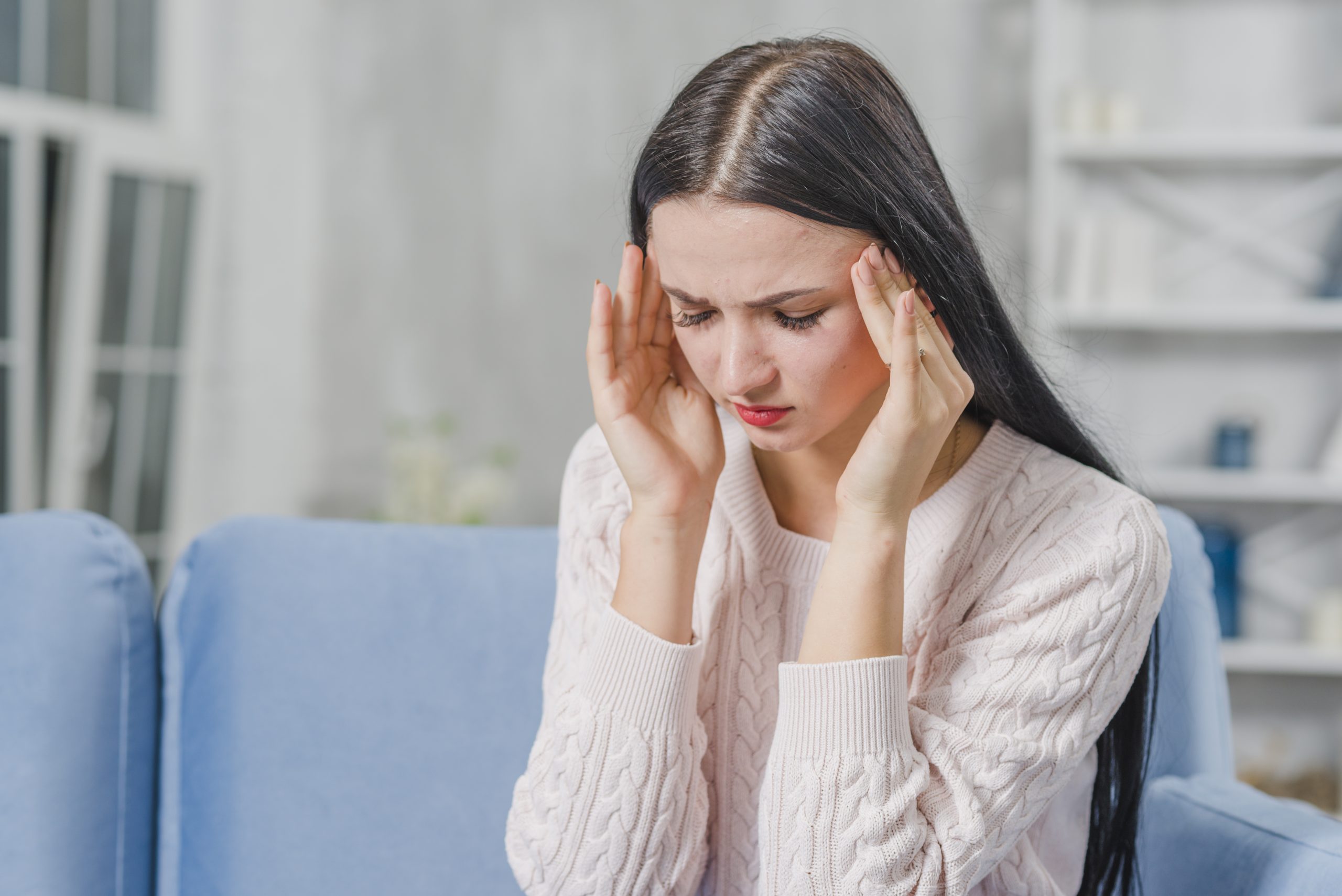
Expert neurological insights on identifying common migraine triggers and managing your pain.
If you’ve ever asked yourself, Why do I get migraines? You aren’t alone. For the millions of Americans living with this condition, a migraine is far more than just a headache. It is a debilitating neurological event that can sideline you for days.
At Headache Doctor of Ohio, we believe that understanding what causes migraines is the first step toward reclaiming your life. While the underlying why is rooted in your biology, the when is often determined by specific triggers.
In this guide, we’ll dive deep into the science of migraine pathophysiology and break down the top 10 triggers through a neurological lens.
What is Actually Happening in Your Brain?
Before we look at the triggers, we have to understand the environment. Migraines are complex neurological events rooted in genetics. If you have migraines, your brain is likely more sensitive to environmental changes than a non-migraineur’s brain.
Research suggests that a migraine begins with abnormal electrical activity (sometimes called cortical spreading depression) that sweeps across the brain. This activity affects nerve signals, neurotransmitters like serotonin, and the trigeminal nerve, a major pain pathway.
When triggered, the brain releases inflammatory substances that cause blood vessels to swell, resulting in the pulsing pain, light sensitivity, and nausea we recognize as a migraine.
Top 10 Migraine Triggers Explained
1. Stress (The Let-Down Effect)
Stress is the leading trigger, affecting 50–80% of patients. However, neurologists have identified a phenomenon called the let-down migraine. This occurs when your cortisol levels drop after a period of high stress. This is why many people experience attacks on the first day of vacation or on Saturday mornings.

2. Hormonal Fluctuations
Up to 75% of women experience migraines linked to their menstrual cycle. The primary culprit is a sharp drop in estrogen just before a period. According to the American Migraine Foundation, these menstrual migraines are often more severe and harder to treat than those occurring at other times of the month.
3. Sleep Disturbances (The Goldilocks Rule)
Your brain craves homeostasis. Both insomnia and oversleeping can disrupt the hypothalamus, the part of the brain that regulates your internal clock. To prevent attacks, neurologists recommend a Goldilocks approach – not too much, not too little, but just right, and at the same time every day.
4. Weather and Barometric Pressure
Many patients are human barometers. Sudden shifts in barometric pressure (often preceding a storm) can create a pressure differential between the atmosphere and the sinus cavities, triggering a chemical cascade in a sensitive brain. High humidity and extreme heat are also common culprits.
5. Dietary Factors (Aged and Processed Foods)
Certain foods contain biogenic amines like tyramine, which can cause blood vessels to constrict and then dilate.
- Aged Cheeses – High in tyramine.
- Processed Meats – Contain nitrates used for preservation.
- Fermented Foods – Such as sauerkraut or kombucha.
6. MSG and Artificial Sweeteners
Monosodium glutamate (MSG) and aspartame are neuroexcitatory. For some, these additives overstimulate neurons to the point of exhaustion, leading to a rapid and intense migraine attack shortly after consumption.
7. Dehydration and Metabolic Stress
The brain is roughly 75% water. Even mild dehydration can cause brain tissue to shrink slightly, pulling away from the skull and triggering pain receptors. Similarly, skipped meals cause a drop in blood glucose. Your brain, which consumes 20% of your body’s energy, views this as a metabolic crisis, triggering a migraine as a warning system.
8. The Caffeine and Alcohol Paradox
Alcohol, particularly red wine, contains tannins and histamine which are potent triggers. Caffeine is trickier; while it is an ingredient in many migraine medications (like Excedrin), caffeine withdrawal is a massive trigger. If you consume caffeine, consistency is your best friend.
9. Sensory Overload
Photophobia (light sensitivity) isn’t just a symptom; it’s a trigger. Flickering fluorescent lights or the blue light from screens can overstimulate the optic nerve. Similarly, osmophobia (sensitivity to odors) can trigger an attack through the olfactory system; common offenders include perfume, cigarette smoke, and cleaning chemicals.
10. Medication Overuse (Rebound Headaches)
Ironically, the very pills you take to stop the pain can cause more of it. Taking acute medications (like triptans or ibuprofen) more than 10–15 days per month can reset the brain’s pain threshold, leading to Medication Overuse Headache (MOH). If you find yourself reaching for pills daily, it’s time to discuss preventative migraine treatments with a specialist. At Headache Doctor of Ohio, we offer personalized care plans to treat your migraine symptoms with tailored precision.
What is the Migraine Threshold Theory
One reason people struggle to identify their triggers is that triggers often work in batches. This is known as the Migraine Threshold Theory.

Imagine you have a bucket. Each trigger adds a little water to the bucket.
- Monday – You didn’t sleep well (Water added). No migraine.
- Tuesday – You skipped breakfast (Water added). Still no migraine.
- Wednesday – A storm rolls in (Water overflows). Migraine attack.
In this scenario, you might blame the weather, but it was actually the combination of poor sleep, low blood sugar, and the weather that pushed you over your threshold. Understanding this helps you focus on the factors you can control (sleep and diet) to leave more room for the things you can’t (the weather).
| Trigger Category | Actionable Change |
| Hydration | Aim for 2-3 liters of water daily. |
| Sleep | Wake up and go to bed within 30 mins of the same time. |
| Diet | Use a Whole Foods approach; avoid labels with MSG. |
| Environment | Wear FL-41 tinted glasses for light sensitivity. |
How to Manage Your Triggers
The goal of a neurologist is not to have you live in a dark, quiet room forever. The goal is management and resilience.
- Keep a Migraine Diary – Track your sleep, food, and weather alongside your attacks. Over 3 months, patterns will emerge.
- The 20-Minute Rule – If you feel a sensory trigger (like a strong perfume), remove yourself from the environment within 20 minutes to prevent the cascade from starting.
- Consult a Specialist – If you are experiencing more than 4 migraine days a month, you may need a comprehensive neurological evaluation service to move from reactive to proactive care.
For more clinical insights on neurological health, the Mayo Clinic’s research on neurology offers extensive data on the long-term effects of chronic migraine.
Frequently Asked Questions (FAQs)
1. Why do I get migraines but my family members don’t?
While migraines have a strong genetic component (if one parent has migraines, you have a 50% chance of developing them), the expression of those genes varies. You may have inherited a more sensitive nervous system that reacts to specific environmental migraine triggers that your siblings do not share. Lifestyle factors, hormone levels, and even past physical trauma can turn on migraine genes.
2. Can a migraine last for several days?
Yes. A typical migraine attack lasts anywhere from 4 to 72 hours. However, some patients experience Status Migrainosus, a debilitating attack that lasts longer than 72 hours. If your migraine persists or changes in character, it is vital to consult a specialist to rule out other neurological issues.
3. Is there a difference between a headache and a migraine?
Absolutely. A tension headache is usually a squeezing sensation on both sides of the head without other symptoms. A migraine is a neurological disease. In addition to throbbing pain (often on one side), it typically includes:
- Nausea or vomiting
- Sensitivity to light and sound
- Visual disturbances (Aura)
- Cognitive fog
4. Can dehydration really cause a migraine?
Yes. Dehydration is one of the most common migraine triggers. When the body is dehydrated, fluid is pulled from the brain, causing it to shrink slightly and pull away from the skull. This irritation triggers the pain receptors surrounding the brain. Staying consistently hydrated can significantly raise your migraine threshold.
5. Why does my head hurt more when I move during a migraine?
This is due to vasodilation and neurogenic inflammation. During an attack, the blood vessels in your brain are often dilated and inflamed. The physical act of moving, bending over, or climbing stairs increases intracranial pressure, which pulses against those sensitive vessels and nerves, intensifying the pain.
6. Can I cure my migraine triggers?
While you cannot cure a trigger (like your sensitivity to weather or perfume), you can manage your brain’s reaction to them. Through a combination of preventative medication, lifestyle adjustments, and Neuromodulation therapy, we can desensitize the nervous system so that a trigger that once caused an attack no longer does.
7. When should I see a neurologist for my migraines?
You should seek professional help if:
- You have 4 or more headache days per month.
- Your current medications are no longer effective.
- You are relying on over-the-counter pain relievers more than twice a week.
- Your migraines are preventing you from working or enjoying social activities.
Conclusion
Understanding what causes migraines is a powerful turning point. While you cannot change your genetic predisposition, identifying your specific migraine triggers allows you to move from a defensive posture to a proactive one. By managing your migraine threshold, balancing sleep, hydration, and stress, you can significantly reduce the frequency and intensity of your attacks. You don’t have to navigate this complex neurological landscape alone.
At Headache Doctor of Ohio, we specialize in cutting-edge, personalized migraine care. Whether you are struggling with chronic attacks or looking for a more effective prevention strategy, our team is here to help you find lasting relief and reclaim your quality of life.
Ready to break the cycle of pain?
Don’t let another day be lost to a migraine. Book a consultation with Headache Doctor of Ohio today and take the first step toward a clearer, pain-free future.